
The Spacecraft Hacker's Handbook: An Interview with Andrzej Olchawa and Milenko Starcik
The co-authors on spacecraft security, hands-on research, responsible disclosure and preparing Europe’s mission teams.
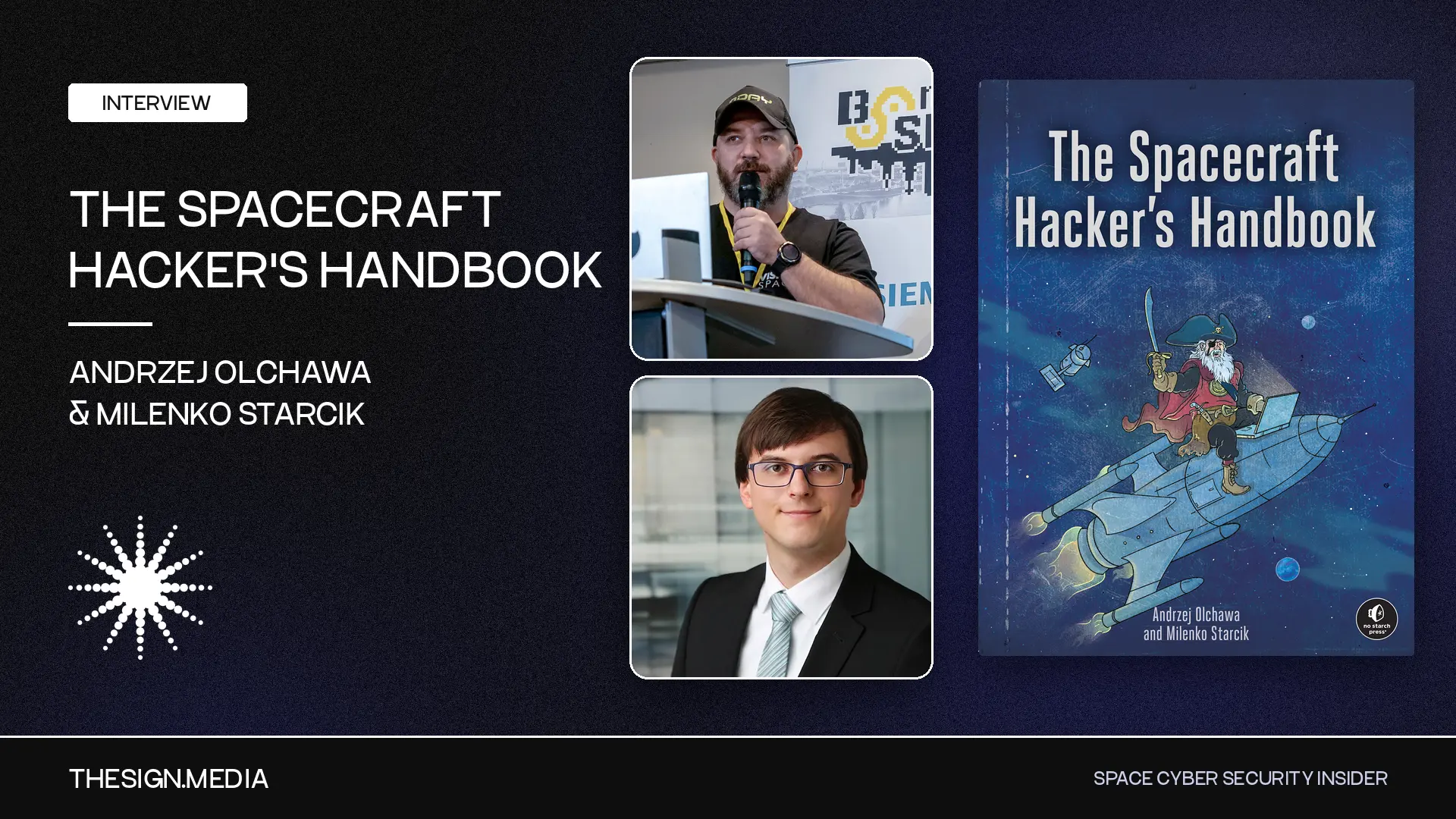
The Spacecraft Hacker's Handbook brings hands-on security research to open-source spacecraft and mission-control software. In this interview, its co-authors discuss the real attack surface of space missions, software-only labs, responsible disclosure and the skills Europe needs to protect its space systems.
Meet the speakers
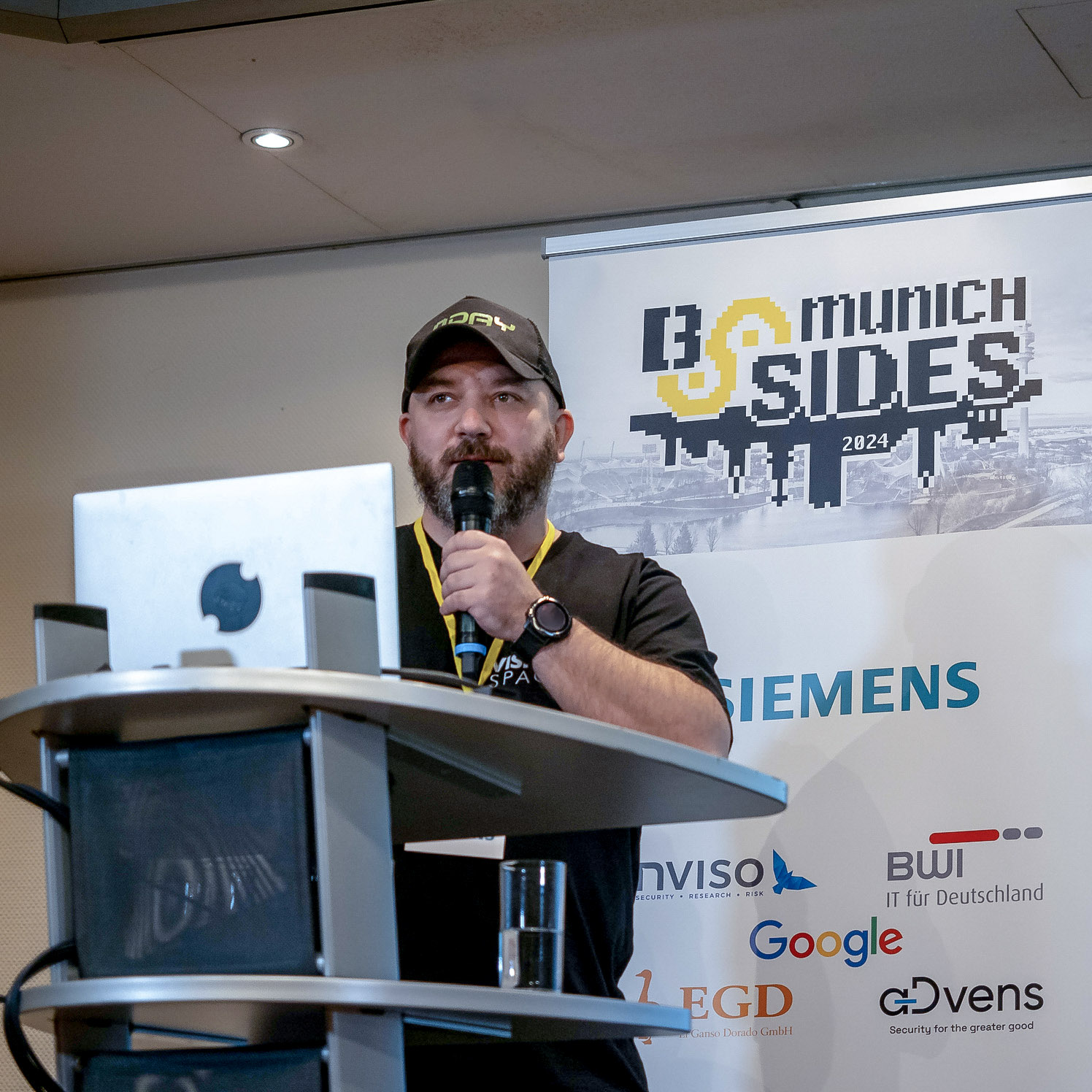
Andrzej Olchawa is a Senior Cybersecurity Engineer at VisionSpaces Technologies GmbH, focusing on vulnerability research and exploit development and pushing the limits of security from everyday software to space systems.
Milenko Starcik is the Head of Cybersecurity at VisionSpace Technologies GmbH and leads the cybersecurity team to break into new areas of space system security research and developments.

The book and the authors
Why did you write this book now, and who did you have in mind as the reader?
We wrote this book because space systems are increasingly important to everyday life, but practical knowledge about their security is still difficult to access. We wanted to move beyond discussing what could go wrong and give readers a hands-on way to understand how vulnerabilities arise, how to investigate them safely, and how to build more secure systems. Open-source flight software and mission-control tools make it possible to explore these topics without access to an actual spacecraft, making this a good time to bring that knowledge together in a practical guide. We had two main groups in mind: security researchers who want to understand spacecraft and aerospace engineers who want to understand how attackers approach their systems. We also wanted to give students and technically curious readers an accessible route into the field, bridging the gap between cybersecurity and aerospace engineering through practical exercises.
The book says you can hack a spacecraft, but probably not the way people think. What is the biggest myth you want to remove?
We want to dispel the idea that hacking a spacecraft means pointing a giant antenna at the sky, sending a few commands, and making a satellite fall out of orbit. The reality is less cinematic, but no less important: a space mission is an interconnected system of ground infrastructure, communications links, onboard software, and user terminals. An attacker may find a way in through a web application or mission-control system on Earth rather than attacking the satellite directly. Depending on what they compromise, the consequences could range from exposed data and disrupted services to unauthorized spacecraft commands (but compromising a website does not automatically mean controlling a satellite). We want readers to look beyond the object in orbit and understand the whole mission, because that is where the meaningful attack paths (and the opportunities to prevent them) become clear.
How did you and Milenko split the work, and what did each of you bring from your own side of the industry?
We split the work mainly according to our interests and strengths. Milenko focused on the threat landscape, the protocol stacks and GNSS jamming and spoofing, while I concentrated on security testing, hacking the ground segment software and protocols, and onboard systems, drawing on my background in software systems and offensive security. Those perspectives complemented each other: Milenko brought the broader view of threats to space systems and the navigation and radio-frequency side, while I focused more closely on the software, how vulnerabilities become exploitable, and how to turn that into practical exercises. Together, that gave us a way to connect the wider security picture with the technical details readers can explore in the labs.
The threat landscape
Where do space systems break most often today: ground segment, space segment or user terminals? Why?
The most common attack vector is the human element in the ground segment. Phishing and credential compromise are the most common vectors at the moment. The ground segment is attractive because it is directly connected to the internet and gives access to the extensive infrastructure supporting the operations of a satellite mission. So far, the space segment has seen some attacks, but the impact and scale of attacks on ground is still unmatched, mostly because of the accessibility.
Many real-world space incidents exploit ordinary weaknesses, not exotic space-specific ones. Do you agree? Which one is the most underestimated?
As just discussed on the attack surface, the largest part sits on the ground, and what is currently on the rise are not just zero day attacks on systems driven by exploitation with large language models, but a lot of software supply chain attaches and malicious software repositories that spread malware at scale to developer machines and also inject it directly into CI/CD pipelines. With ground segment engineers traditionally not dealing with a lot of security issues, there is a gap in knowledge on how to do these things safely.
The book covers GNSS and SATCOM terminal attacks. Which user-segment risk worries you most for European operators?
Attacks on GNSS systems are currently in many eastern parts of Europe unfortunately the norm with jamming and spoofing all along the eastern border. Because of the impact on the civilian sector this is however something now well understood and actions are already being taken to help and mitigate some of this. Where there still is a large risk is on the SATCOM terminals, which still either rely on legacy systems with improper encryption and overall security, or, for more modern ones, relying on foreign suppliers that might not be as reliable during a crisis as we want them to be.
Hands-on practice and responsible disclosure
The labs need no radio or satellite hardware. How realistic can a software-only lab be?
We can make a software-only lab very realistic for the security questions we’re exploring, because we’re working with actual spacecraft and mission-control software, not just simplified applications with a space theme. The book uses technologies such as NASA’s core Flight System and F′, alongside Yamcs and OpenC3 COSMOS, so readers can investigate real code, analyze protocols, and develop working exploits in a controlled environment without specialized hardware. We’re not claiming that a laptop reproduces every aspect of an operational mission: radio propagation, hardware-specific behavior, and the constraints of a particular spacecraft require additional testing. The important distinction is between reproducing an entire mission and reproducing the conditions that make a vulnerability exploitable. We focus on the latter, giving readers a practical way to understand and validate weaknesses while being clear about what still needs to be verified on the target system.
How do you teach exploit development without handing attackers a manual? Where did you draw the line?
We don't think you can teach exploit development honestly while pretending the knowledge cannot be misused. Defenders need to understand how a vulnerability becomes a working exploit, not just hear that a system might be insecure. That's why the book teaches practical techniques through reproducible labs using open-source space software, rather than treating operational spacecraft as practice targets. The line we draw is between understanding a weakness in a controlled, authorized environment and using it against systems you don't have permission to test. A working exploit can demonstrate impact and help validate a fix; it isn't permission to interfere with someone else's mission. Our approach keeps the technical depth while making authorization, responsible disclosure, and the potential consequences part of the discussion (not to suggest that adding an ethical disclaimer somehow removes the risk).
What does responsible disclosure look like in space, where a patch may mean an on-orbit update or no update at all?
We see responsible disclosure in space as a coordinated risk-reduction process, not simply sending a report and starting a countdown to publication. We would first establish the issue in a controlled environment wherever possible, then privately give the affected operator and software supplier enough evidence to assess it without putting a live mission at risk. Authorization matters: a public disclosure program is not blanket permission to test spacecraft or connected mission systems. NASA's policy, for example, explicitly limits testing to in-scope assets and requires researchers to avoid disruption and stop once a vulnerability is established. If an onboard patch isn't feasible, the discussion should shift to what can safely reduce exposure (such as restricting access on the ground, filtering inputs before transmission, or changing operational procedures) rather than treating a software update as the only acceptable outcome. We'd coordinate publication around those protections and the remaining risk, with clear communication and agreed review points rather than either an inflexible deadline or indefinite silence. The goal is to leave the mission safer, not merely to get the vulnerability published.
Defenders, talent and Europe
If a mission team could do only three things after reading your book, what should they be?
Talk with the team about security in everyday operations to raise awareness, enable two factor authentication where possible and rotate secrets, and build an updated system diagram with software inventory to allow subsequent threat modelling and risk assessment.
What skills should newcomers build to enter space cybersecurity? What would you tell participants of our hackathons?
I would recommend getting a good understanding of how space systems work, so general system design and how spacecraft operations actually work. In general a good understanding of IT and telecommunication basics are a great asset and more important than specific protocols and such. It is about being able to adapt to unknown systems and protocols and why we host the CTF challenges for people to get hands on representative space systems.
Is Europe, and Spain in particular, ready for this threat? What would you like to see from agencies and industry?
The space industry in Europe is not yet fully ready. There is a lot of knowledge about safety in space systems engineering teams, but security is only arriving now and is not yet shaping how engineering teams build and maintain systems. On the legislative side things are moving with NIS2, the CRA and now also the Space Act approaching a consensus, but people tend to spend a long time in the space industry and there is definitely a gap in upskilling to integrate security in all aspects of the systems, rather than in security team silos.
Closing
What is the one finding in your research that changed how you think about space security?
When we started evaluating space software it became obvious that often no one did a systematic analysis of the security aspects of the software before. We have been able to find a lot of things because there was just lack of simple security measures.
The book and community
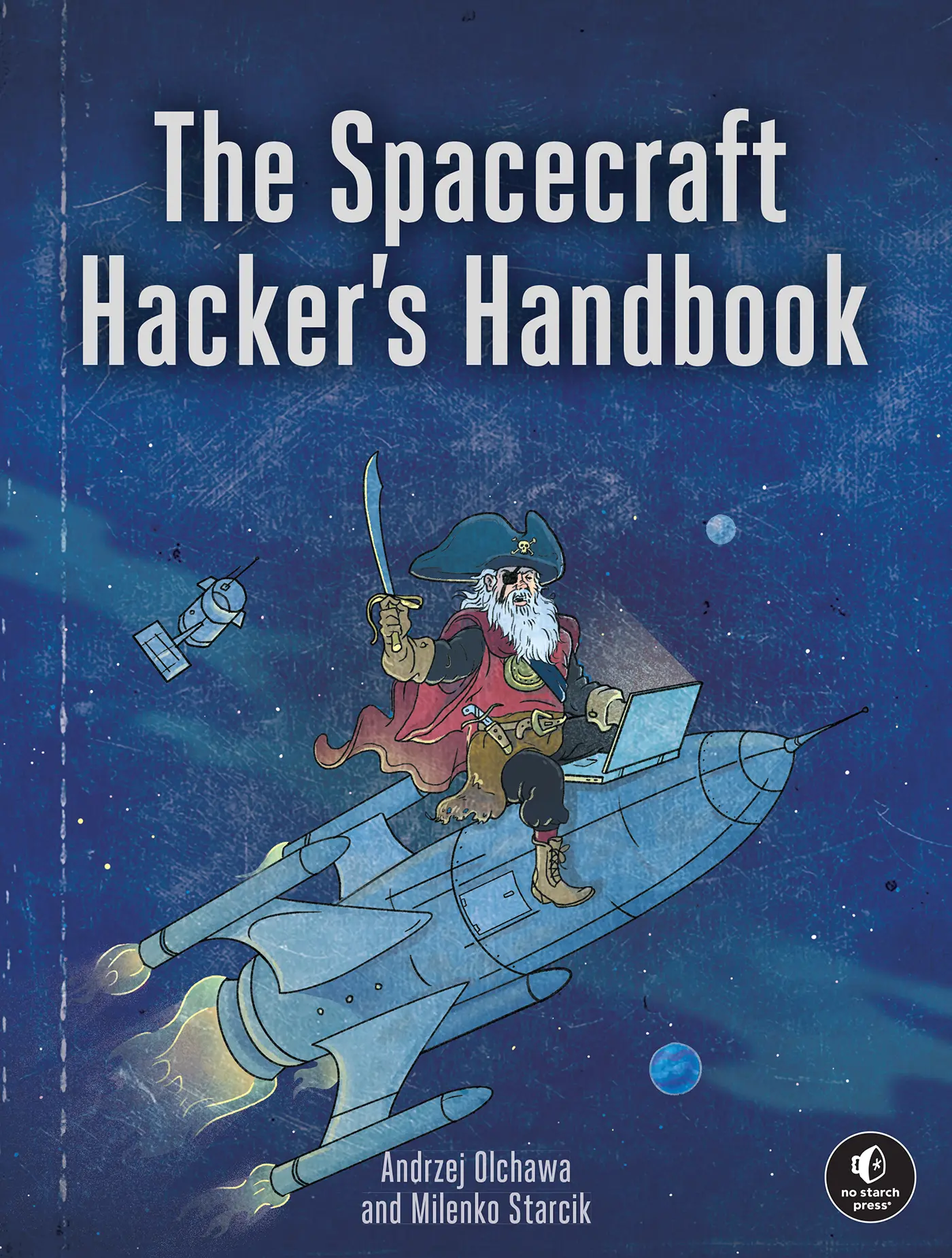
GitHub: spacecraft hacking labs
Interview by: Tatiana Skydan, Co-Founder and editor-in-chief at THE SIGN