
From Tokyo to Odesa: Space, Cyber, and the Intelligence Conundrum
Europe faces a fragmented intelligence fusion challenge, affecting both its defence of Ukraine, and the security of the European Heartland. Japan’s intelligence reforms might suggest some useful solutions. Read an overview and opinion piece by Christophe Bosquillon.

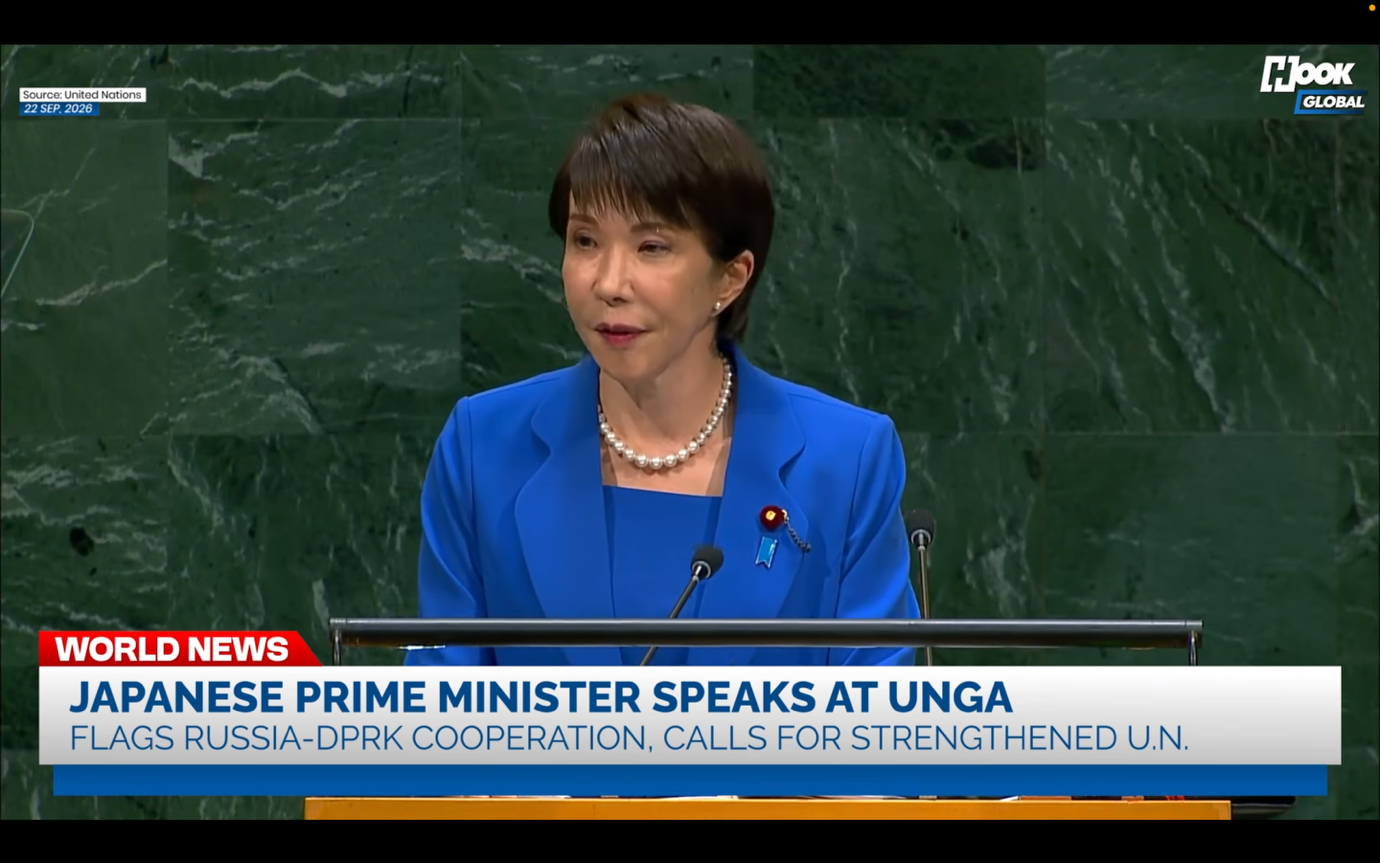
Japanese Prime Minister Sanae TAKAICHI just delivered a most fiery speech at the United Nations General Assembly. The “Iron Lady” nailed Russia for its relentless destruction of Ukraine, intolerable military cooperation with North-Korea, and irresponsible veto right abuse as a permanent member of the UN Security Council.
Elsewhere, recent weeks were replete with strategic statements: U.S. Secretary of the Air Force Troy Menk vaguely acknowledged the existence of orbital weaponry, without defining it. European Commission President Ursula von der Leyen floated the establishment of a European Security Council, besides NATO.
But it is difficult to deal with threats if you don’t know where they come from and how to name them. Japan, a country half-way around the world, might inspire Europe through political resolve and some intelligence solutions across the space and cyber domains. The Iron Lady’s comprehensive overhaul of her country’s intelligence institutions bears some useful lessons.

Gray zone activities as main threat to Japan
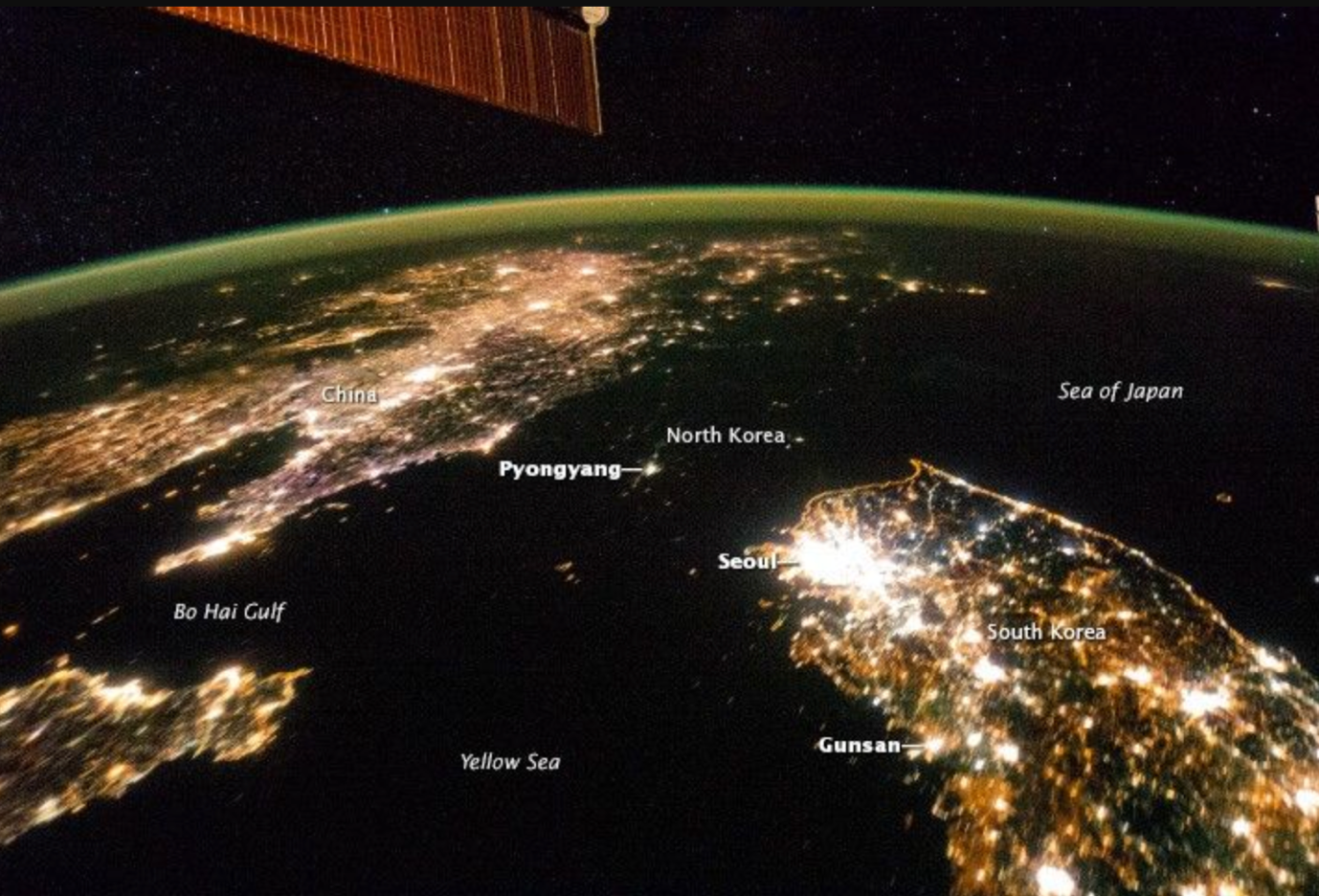
Japan’s assessment treats hybrid threats as centerpieces, with Ukraine as a template for future warfare. China is engaged in sustained gray zone and hybrid pressure, with carrier strike group deployments into Japanese and South Korean waters, close range fighter/bomber flights, large scale cyber campaigns (APT 40), and dubious economic and investment penetration. New Zealand services nailed Russia as “explosively” increasing the use of proxy sabotage, arson, cognitive warfare and deniable local agents. North Korea pursues missile and hybrid activity that reinforces the need for shared early-warning and technical collection. Japan characterises these threats as the most severe the nation has faced since WW2, shifting the emphasis from pure defence-of-Japan scenarios to continuous competition verging on confrontation, short of open conflict and a “hot war.”
Japan’s intelligence reforms rationale
Japan’s intelligence reforms are the culmination of a multi-year process that began with the first National Security Strategy documents circa 2021-2022, and accelerated under successive cabinets. This resulted in the formal stand-up of Japan’s National Intelligence Bureau (NIB / Kokka Jōhō Kyoku / 國家情報局). NIB launched on 31 July 2026 as the successor to the Cabinet Intelligence and Research Office, with about 730 staff. It serves as secretariat to a National Intelligence Council chaired by the Prime Minister, and requires ministries and agencies to share information.
The NIB set up an intelligence-training organisation for the end of fiscal 2027, alongside espionage prevention legislation. An expert panel on counterespionage legislation is expected by autumn 2026, with a bill possibly in next year's Diet session.
The point of the reform is consolidating a deliberately fragmented postwar system. Moving from collection to counterintelligence and security, the NIB covers espionage law, security clearances, and investment screening (similar to the CFIUS - Committee on Foreign Investment in the United States). The above-mentioned reports on Chinese state-sponsored group APT40 serves as Japan’s template in gray zone activity assessment.
Implications for Japan’s Cyber and Space intelligence
Cyber is where Japan is furthest along to tackle two main threats: Russian proxy operations and North Korean cyber-enabled sabotage. The 2025 Active Cyber Defence Law covers public-private collaboration, government use of communications information, access to attackers' servers for neutralisation, and new institutional arrangements.
A National Cybersecurity Office replaced the former agency. Its head now reports directly to the Prime Minister, and implementation is phased across 2026–27. NIB aims to fuse SIGINT, cyber telemetry, and human reporting, completing the chain from detection through attribution to action, enabling more coherent allied responses.
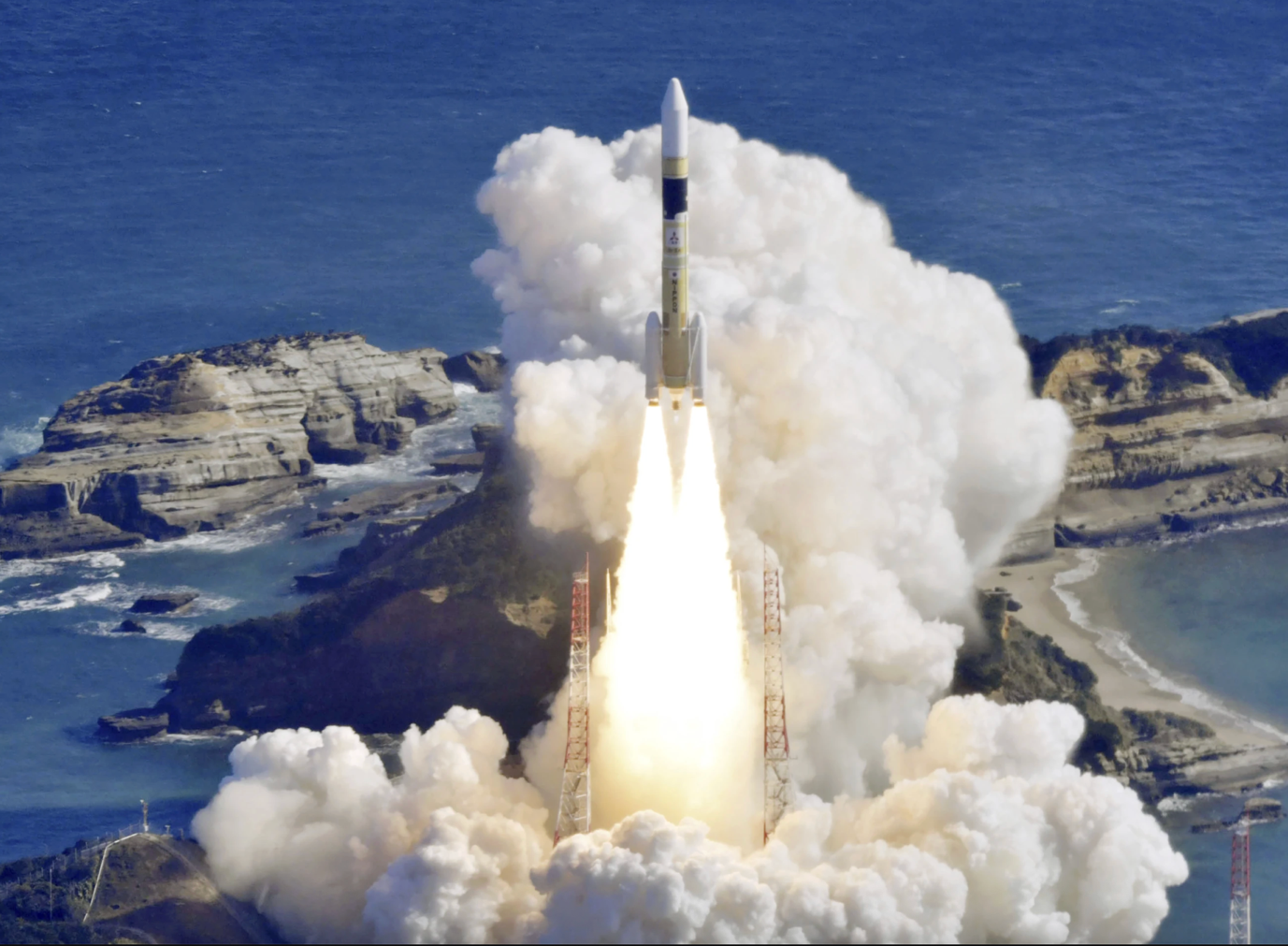
In Space, Japan fields an independent optical and SAR orbital constellation, leveraging domestic and foreign providers for world class resolution. The NIB is recruiting GEOINT specialists, including IMINT experts, and rotating them through the Cabinet Satellite Information Center. The NIB's directive authority aims to fuse space-derived intelligence with SIGINT, HUMINT and police and economic security data.
This makes Japan's high-end imagery a national all-source input, reducing US and Five Eyes ISR burden. It provides Japan with a sovereign cueing capability against Chinese and Russian naval and air movements, valuing GEOINT as the main currency of alliance sharing. Over time, the same architecture can support space domain awareness and attribution of anti-satellite and orbital gray zone activity. As those space assets become more obvious counterspace and cyber targets, this makes Japan a quickly maturing orbital warfare actor.
Lessons for Europe
For Japan, the key resource is the ability to fuse data, assess it quickly, and deliver it securely to commanders and policymakers. Intelligence for decision and effects, not bureaucratic reporting. Space and cyber intelligence are no longer supporting functions sitting beside government machinery. They are part and parcel of the intelligence architecture, fusing together with military intelligence, civilian intelligence, economic security, and counter-intelligence, into one ecosystem. While allied interoperability is becoming an intelligence capability in its own right, collection is becoming more persistent, distributed and commercially enabled.
Japan's intelligence reform is relevant to Europe because it addresses a fragmentation problem Europe also faces: large quantities of intelligence distributed among numerous national and departmental organisations, but insufficient institutional mechanisms for turning that information into a common operational picture and rapid decision advantage.
Japan aims for national coordinating authority first, then widening cooperation. Instead, the EU is proposing supranational structures over uncoordinated national services. INTCEN has no collection capability and does strategic analysis only, facing senior national officials skepticism. Europe lacks synthesis and trust, not structures. The Japanese NIB's authority to require information is what the European INTCEN lacks.
The coordinating body should be the one getting directive authority first. Building the counterintelligence and clearance base before the operational arm would allow to pair operational powers with a declared trigger and oversight design. Investing in a personnel pipeline, while respecting national strategic cultures, would support unifying standards across pan-European governments, institutions and the private sector. Building a common professional intelligence culture should be a priority.
Implications for NATO
NATO already possesses the Intelligence Division, the Joint Intelligence, Surveillance and Reconnaissance (JISR) enterprise, and growing cyber and space centres of excellence. The Japanese experience would suggest three practical steps:
+ Treat the “Indo-Pacific partners” (Japan, South Korea, Australia, New Zealand) as operational intelligence contributors rather than occasional dialogue partners, accelerating formal information sharing arrangements that go beyond the current “partners across the globe” framework.
+ Replicate the Japanese emphasis on rapid all-source fusion for gray zone and hybrid threats on the eastern and northern European flanks, where Russian proxy and cognitive operations mirror the patterns described for China-generated Indo-Pacific threats.
+ Expand NATO’s space and cyber situational awareness by incorporating Japanese (and eventually other Indo-Pacific countries) technical feeds, reducing the Alliance’s near-total reliance on US national early warning and ISR capabilities.
The NIB gives NATO its first single Japanese counterpart for fusion-level exchange, which would make a structured NATO-Japan channel on space, cyber and counter-proxy work more effective.
For space, the realistic version is a coalition fusion and tasking layer, not an EU-27 body. It would combine EU SatCen, EUMS INT and the national sovereign assets of the states that can contribute. It needs a pooled-tasking mandate and contractual guarantees that access cannot be politically revoked. The Space Act's resilience provisions could act as regulatory incentive.
For cyber, Germany's reform is the European analogue to Japan's active-defence shift. Both turn on constitutional limits on communications monitoring. Europe's missing piece is an attribution-to-action pipeline with a clear national or coalition owner. The eight-nation APT40 precedent shows collective attribution is possible, and that model is an acceptable template.
A better defence of Ukraine and Europe
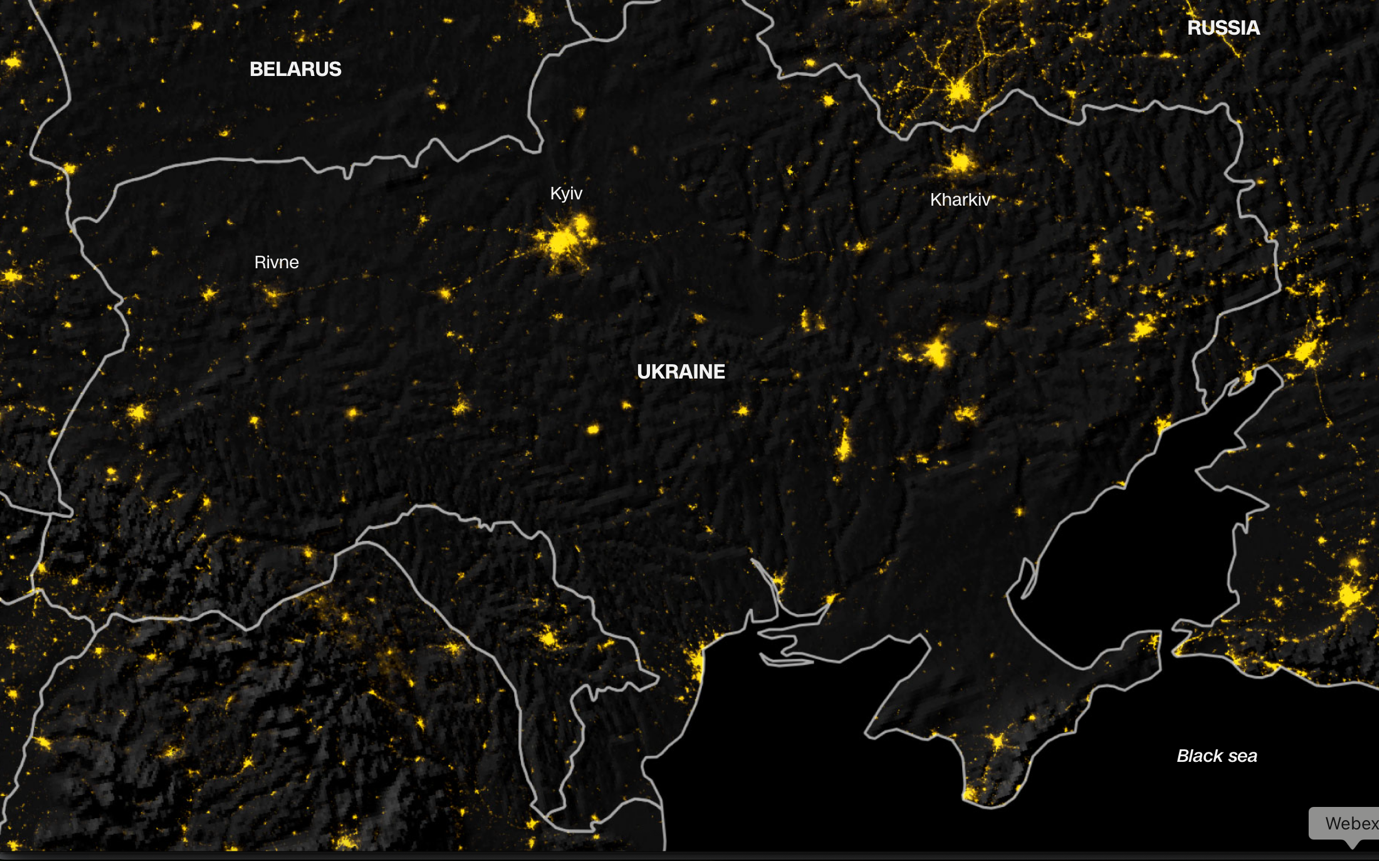
Ukraine and Europe’s dependency problem is well documented. The U.S. suspended intelligence sharing in March 2025, and Maxar cut Ukrainian users off from the imagery portal on NGA's direction. Despite imagery from France, Ukraine remains critically dependent on the U.S. for satellite imagery and early warning. Losing paid US imagery cut optical imagery by 15–17% and radar by about 46%. Ukraine has since expanded its SAR agreement with ICEYE, for stability and accuracy.
Japan’s intelligence reforms are a long overdue, systematic response to the same Chinese, Russian and North Korean hybrid and conventional threats that confront Europe and NATO. The space and cyber domains are where Japan’s existing technical strengths can most quickly generate allied value. Europe and NATO can usefully emulate the fusion architecture, economic security tools, and partner integration logic, while feeding the resulting intelligence into the defence of Ukraine and Europe.
A more capable Japanese intelligence architecture further produces second-order effects that strengthen Ukraine and Europe’s position.
Better Japanese collection and fusion on Chinese–Russian military-technical cooperation, dual-use technology transfers, and Russian force reconstitution, improves the common intelligence available to NATO and Ukraine. Japanese contributions to multi-nation cyber defence and space domain awareness help protect the broader allied networks, on which Ukraine depends for targeting data, satellite communications and early warning.
Japan raises the cost to Beijing of opportunistic support for Moscow, indirectly constraining the resources Russia can devote to the Ukrainian front. Ukraine’s own intelligence and defence institutions already demonstrated high adaptability: the Japanese emphasis on technical collection, rapid fusion and economic security screening offers a concrete template that European partners can help Ukraine institutionalise for the longer war.
The final lesson for Europe should be to centralise intelligence coordination, not intelligence capabilities, respecting national strategic cultures and boundaries. An optimal European model is closer to federated than centralised, the point being to enable coordination of fractured intelligence inputs, into a fused assessment enabling decisions and effects at battlefield speed.

From Donbas to Kyiv and Odesa, casualties of relentless bombing aren’t an abstraction. They are part of our extended European family. Either our own neigborhood, or the neighborhood of those we love. With Russia now pursuing relentless hybrid warfare against the European heartland, which will realistically get worse before it gets better, “strategic restraint” by Europe remains a weak response.
Europe needs to do a much better job not only at defending Ukraine, but at defending itself.
Europe could start with improving its own intelligence. Something Japan and its Iron Lady Prime Minister have already acted upon.
So, Europe, what are you waiting for?
Author: Christophe Bosquillon MSc, MBA, Founder & Director, Senior Fellow, NIDS - National Institute for Deterrence Studies (U.S.), Fellow, EIPIO – European Institute of Professional Intelligence Officers